EXPERT INSIGHTS · NABL CERTIFIED ENGINEERS
Calibration Guides &
Industry Insights
Practical guides on NABL calibration, pharmaceutical validation, ISO 9001 compliance, and industrial instrument calibration in Gujarat — written by our NABL-certified engineers (NABL CC-2480).
 Industry 11 min read
8 October 2026
9 Common Pharma Audit Findings on Calibration
Calibration observations in pharmaceutical audits follow a short and repetitive list. Most are documentation failures rather than measurement failures, which means most are preventable before an inspector arrives.
Er. Parthiv Kinariwala
MD, Prism Calibration Centre
 Industry 10 min read
5 October 2026
GPCB Consent Renewal 2026 — Document Checklist
Consent renewal applications are rejected more often for missing or expired test reports than for actual non-compliance. This checklist sets out which reports a Gujarat facility needs, who is allowed to issue them, and how far in advance to start.
Er. Parthiv Kinariwala
MD, Prism Calibration Centre
 Industry 10 min read
10 September 2026
Top 10 Industries That Require Mandatory Calibration in India — Compliance Guide
Calibration is mandatory — not just best practice — for ten major industries in India. Whether it is CDSCO regulations for pharma, FSSAI for food, PESO for oil and gas, or CEA for power, instrument calibration is embedded in the legal and regulatory framework of India's largest industries. This guide identifies each industry, the regulation that mandates calibration, which instruments are covered, and what type of calibration certificate is required.
Er. Parthiv Kinariwala
MD, Prism Calibration Centre
 Industry 9 min read
8 September 2026
IATF 16949 Calibration Requirements for Automotive Industry in India — Complete Guide
IATF 16949:2016 has some of the most detailed calibration requirements in any quality management system standard. For automotive suppliers in Gujarat — supplying to Maruti, Tata, Hero, Mahindra, or their Tier-1 suppliers — IATF certification is increasingly mandatory, and calibration is one of the areas most frequently cited in IATF audits. This guide covers every calibration requirement in IATF 16949, with practical guidance on MSA, Gauge R&R, and how to build a compliant calibration system.
Er. Parthiv Kinariwala
MD, Prism Calibration Centre
 Industry 10 min read
3 September 2026
Pharmaceutical Instrument Calibration — FDA, CDSCO & WHO GMP Requirements in India
Pharmaceutical manufacturing in India is one of the most heavily regulated industries for measurement and calibration. FDA 21 CFR Part 211, CDSCO Schedule M (GMP), and WHO GMP — all mandate calibrated instruments as a non-negotiable requirement. This guide explains exactly which instruments need NABL calibration, at what frequency, what your calibration certificates must contain, and how to build a compliant pharmaceutical calibration programme.
Er. Parthiv Kinariwala
MD, Prism Calibration Centre
 Industry 9 min read
27 August 2026
Industrial Energy Audit in Ahmedabad — Complete Process & What to Expect
An industrial energy audit is a systematic examination of how your factory uses energy — and where energy is being wasted. In Ahmedabad and across Gujarat, energy costs are one of the top 3 operating expenses for manufacturing plants. A proper energy audit can identify savings of 10–25% on electricity and fuel bills. This guide explains exactly what happens during an industrial energy audit, what instruments are used, what calibration is required, and what you can expect from the process.
Er. Parthiv Kinariwala
MD, Prism Calibration Centre
 Industry 10 min read
17 August 2026
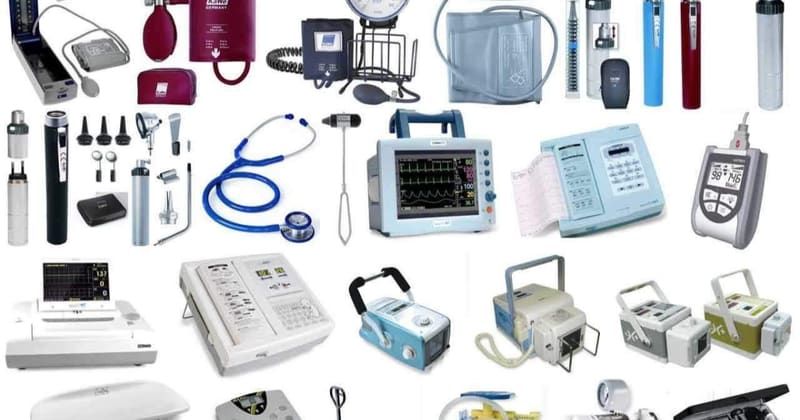
Healthcare & Hospital Equipment Calibration — Biomedical Compliance Guide 2026
Hospitals and healthcare facilities use hundreds of measuring instruments — from BP monitors and infusion pumps to autoclaves and defibrillators — where calibration errors can directly harm patients. This guide covers which biomedical instruments require NABL calibration, what NABH and CDSCO require, calibration intervals for critical medical equipment, and how to maintain compliance in Gujarat hospitals and diagnostic labs.
Er. Parthiv Kinariwala
MD, Prism Calibration Centre
 Industry 9 min read
17 August 2026
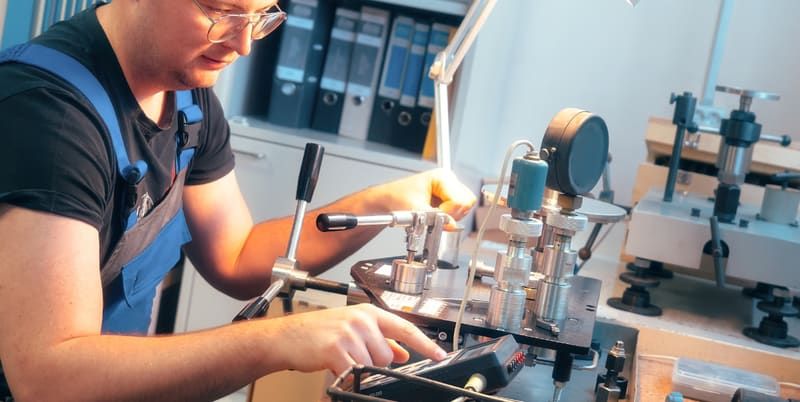
Manufacturing Industry Calibration in Gujarat — ISO 9001 & IATF 16949 Compliance Guide
Every manufacturing plant in Gujarat — whether it makes pharmaceuticals, auto parts, chemicals, food products, or steel — depends on calibrated instruments for quality control, process control, and regulatory compliance. ISO 9001:2015 Clause 7.1.5 makes calibration a mandatory quality system requirement. This guide covers what ISO 9001 and IATF 16949 require, which instruments every manufacturing plant needs to calibrate, and the right calibration intervals for each.
Er. Parthiv Kinariwala
MD, Prism Calibration Centre
 Industry 5 min read
17 April 2026
Instrument Calibration for Textile Industry in Gujarat — NABL | Prism
Gujarat's textile sector — centred in Surat and Ahmedabad — is India's largest. NABL-certified calibration for textile testing instruments ensures quality compliance and export acceptance.
Er. Parthiv Kinariwala
MD, Prism Calibration Centre
 Industry 5 min read
15 April 2026
Instrument Calibration for Cement Industry in Gujarat — NABL | Prism
Gujarat's cement industry (Ambuja, JK, Shree Cement plants) requires NABL-certified calibration for kiln temperature, weigh feeders, and quality control instruments for BIS compliance.
Er. Parthiv Kinariwala
MD, Prism Calibration Centre
 Industry 7 min read
11 April 2026
Instrument Calibration for Oil & Gas Industry in Gujarat — NABL | Prism
Gujarat hosts ONGC Ankleshwar, Reliance Jamnagar refinery, GSPC fields, and India's largest oil and gas processing infrastructure. NABL-certified calibration for safety, custody transfer, and regulatory compliance.
Er. Parthiv Kinariwala
MD, Prism Calibration Centre
 Industry 6 min read
09 April 2026
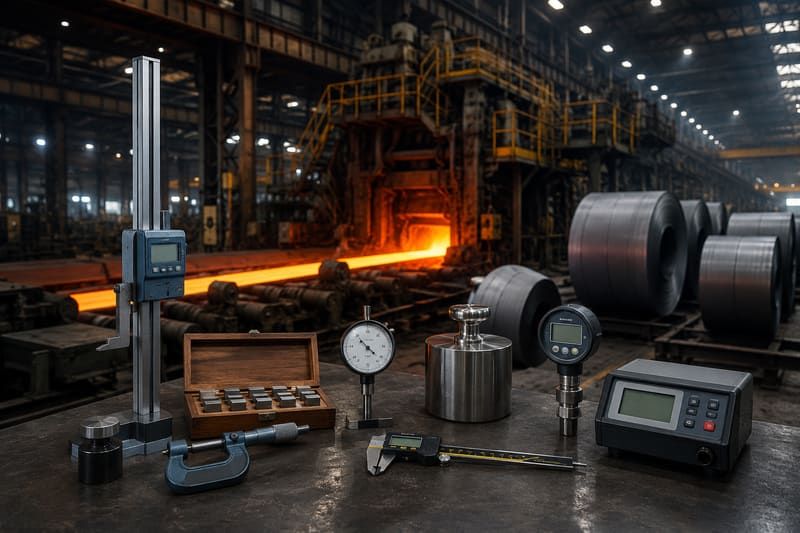
Instrument Calibration for Steel Industry in Gujarat — NABL | Prism
Gujarat's steel and fabrication sector — from mini steel mills to pressure vessel manufacturers — requires NABL-certified calibration for BIS material testing, ISO 9001, and structural safety compliance.
Er. Parthiv Kinariwala
MD, Prism Calibration Centre
Industry 7 min read05 April 2026
Instrument Calibration for Automotive Industry in Gujarat — NABL | Prism
Gujarat is India's automotive capital with Tata, Suzuki, Honda, and hundreds of Tier 1 suppliers. IATF 16949 demands rigorous NABL-certified calibration. Prism is the trusted automotive calibration partner.
Er. Parthiv Kinariwala
MD, Prism Calibration Centre
 Industry 7 min read
03 April 2026
Instrument Calibration for Chemical Industry in Gujarat — NABL | Prism
Gujarat's chemical industry — from Vatva to Ankleshwar to Bharuch — is India's largest chemical manufacturing cluster. Precise instrument calibration underpins process safety, product quality, and GPCB compliance.
Er. Parthiv Kinariwala
MD, Prism Calibration Centre
 Industry 7 min read
01 April 2026
Instrument Calibration for Food Industry in Gujarat — NABL | Prism
Gujarat's food processing industry — from Amul dairy to Adani Agri Foods — requires NABL-certified calibration for FSSAI licensing, HACCP, and ISO 22000 compliance.
Er. Parthiv Kinariwala
MD, Prism Calibration Centre
NABL CC-2480 · ILAC MRA · Est. 2004
Need NABL Calibration? Get a Free Quote
Our NABL-accredited team covers 200+ instrument types across all Gujarat industries. Call or WhatsApp for same-day response.